First-Time Car Buyer’s Guide to Detailing & Paint Protection | ShineDrive

Congratulations on the new keys! There is nothing quite like the look and smell of a brand-new vehicle. However, as any seasoned owner will tell you, that "showroom shine" is surprisingly fragile. From the moment you drive off the lot, your car’s exterior is under constant attack from road salt, UV rays, industrial fallout, and bird droppings.
Many first-time buyers assume a quick trip through a local automatic car wash is enough. In reality, maintaining a vehicle’s aesthetic and resale value requires a more intentional approach. This guide breaks down the essentials of car detailing for beginners who want to keep their investment looking new for years to come.
Why Detail a Brand-New Car?
It seems counterintuitive, but a new car often needs detailing more than you’d think. Before reaching the dealership, vehicles are often transported via rail or parked in industrial holding lots. During this time, they collect rail dust—tiny metallic particles that embed themselves into the clear coat.
Detailing a new car early on achieves three things:
- Decontamination: Removes factory-level grime and transport pollutants.
- Protection: Establishes a barrier (wax, sealant, or coating) before damage occurs.
- Resale Value: Documenting a consistent maintenance schedule can add significant value when it's time to trade in.
The Foundation of a Safe Wash: The Two-Bucket Method
The biggest mistake first-time owners make is using a single bucket of water to wash the entire car. This traps dirt in your sponge, which you then rub back onto the paint, creating "swirl marks."
To maintain paint clarity, experts recommend the Two-Bucket Method:
- Bucket One: Filled with soapy water and a high-quality car shampoo.
- Bucket Two: Filled with plain water to rinse your wash mitt after every pass.
- The Result: Dirt stays in the rinse bucket, ensuring only clean suds touch your car.
Understanding Water Quality: Why Filters Matter
If you’ve ever washed your car only to find white, chalky spots once it dries, you’ve experienced the effects of hard water. These spots are mineral deposits (calcium and magnesium) that can actually etch into your clear coat if left in the sun.
For a professional-grade finish at home, many owners opt for a water filtration system. When choosing your first filter, look for these features:
- Deionization (DI): These filters remove 100% of minerals, allowing for a "spot-free rinse" where you can let the car air dry without streaking.
- Inline RV Filters: An affordable entry point that attaches directly to your hose to reduce sediment.
- Flow Rate: Ensure the filter can handle the Gallons Per Minute (GPM) required by your pressure washer.
Interior Preservation: More Than Just a Vacuum
The interior of your car is where you spend all your time, so preserving the materials is vital for comfort and hygiene.
- UV Protection: Modern dashboards and door panels are prone to cracking and fading. Use a dedicated interior protectant with UV blockers rather than greasy "shining" agents.
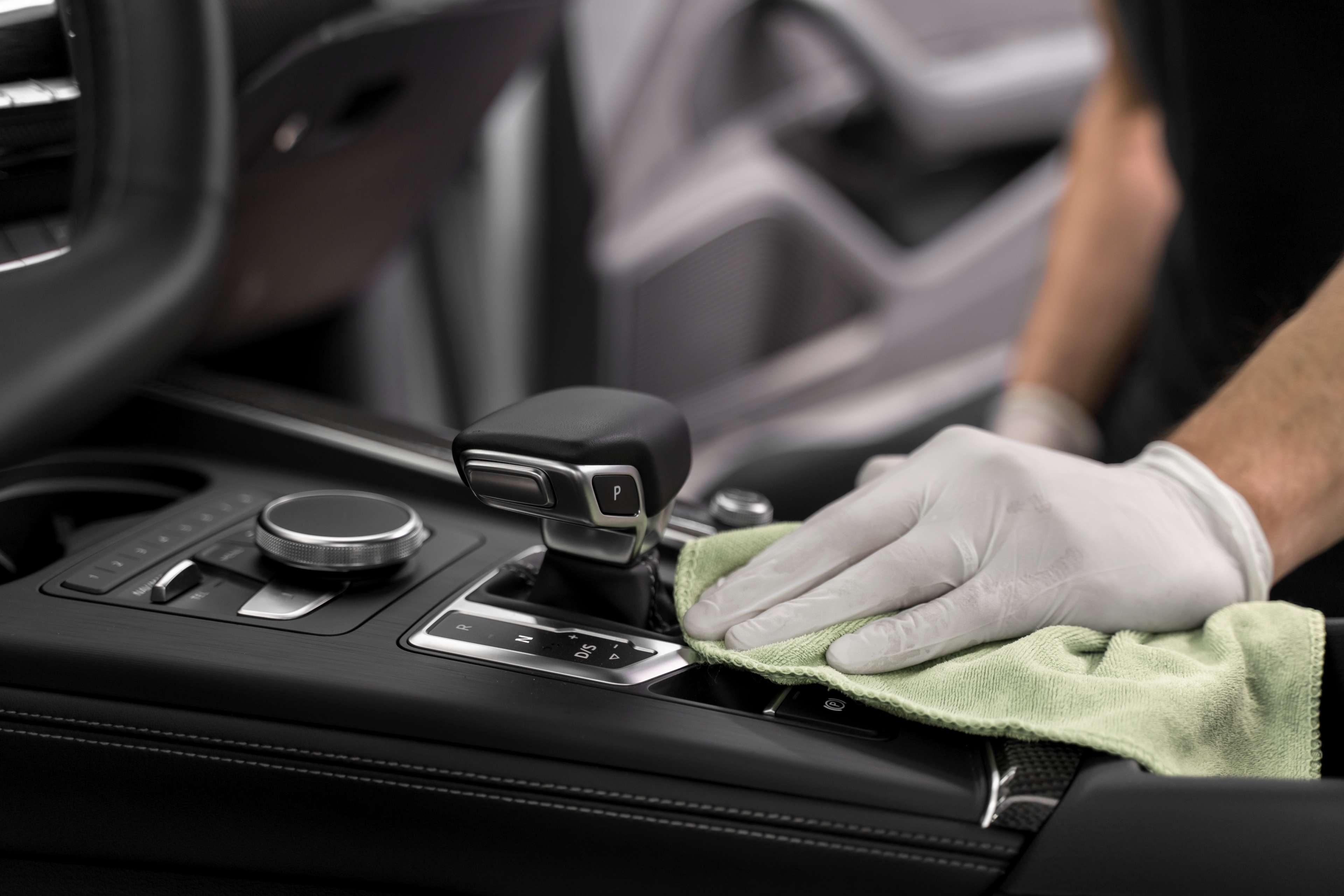
- Microfiber is King: Avoid using old towels or paper towels on interior plastics and screens. High-GSM microfiber cloths are essential to prevent scratching delicate surfaces like the instrument cluster.
- Spill Prevention: Applying a fabric or leather guard early on makes cleaning up future coffee spills or mud much easier.
Choosing Your Level of Protection
Once the car is clean and decontaminated, you need to seal that work. There are three main paths for first-time buyers:
- Carnauba Wax: Provides a deep, warm glow but only lasts about 6–8 weeks. Great for hobbyists who enjoy a weekend shine.
- Paint Sealants: Synthetic polymers that offer 4–6 months of protection and are very easy to apply.
- Ceramic Coatings: A semi-permanent liquid polymer that bonds to the paint. While more expensive, it offers years of protection, extreme water beading, and makes the car much easier to wash.
Summary for the New Owner
Car detailing isn't just about vanity; it's about preventative maintenance. By starting with a safe washing technique, managing your water quality, and applying a baseline of protection, you ensure that your first "big purchase" stays in peak condition.
Take it one step at a time, invest in quality tools, and your car will thank you every time you see your reflection in the paint.
Not sure where to start with your new car? While DIY detailing is a great hobby, some jobs—like ceramic coatings or deep paint decontamination—are best left to the pros. If you’re in the area and want to give your new vehicle the ultimate head start, visit ShineDrive Detailing to see our new-owner protection packages.
Ready to Experience Professional Car Detailing?
Don't wait to give your vehicle the care it deserves. Our expert detailing services will transform your car inside and out.
Related Articles

How Much Does Car Detailing Cost in Canada? A Complete Breakdown.
How much does car detailing really cost in Canada? This detailed guide explains average prices, interior vs exterior detailing, and …

🚗✨ The Top 5 Things Ruining Your Car’s Paint Without You Realizing It
Your car’s paint is getting damaged every single day — even if you wash it regularly. Here are the top …
🚗 Why Your Car Smells After Winter — And How Professional Interior Detailing Fixes It
After every Canadian winter, many drivers notice a musty odour inside their cars caused by trapped moisture, salt, and bacteria. …