This One Habit Is Aging Your Car's Exterior 5 Years Faster
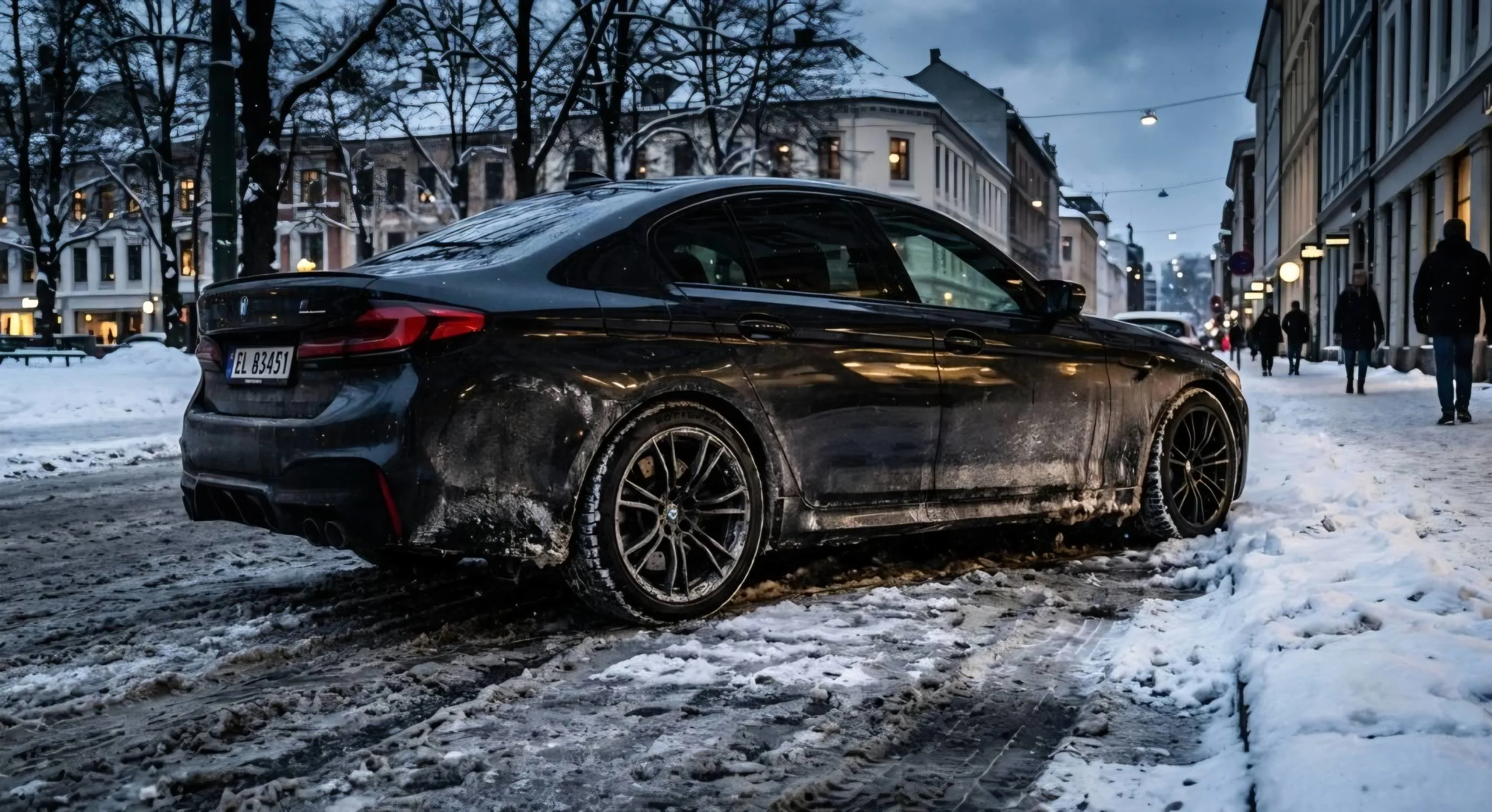
If your car looks older than its actual age, there's a good chance it's not the years — it's one habit almost every driver in Canada is guilty of.
It's not skipping waxing. It's not parking in the sun. It's something far more common, far more damaging, and something most people don't even think twice about.
It's letting road salt and winter grime sit on your car for weeks at a time.
The Silent Killer of Canadian Paint Jobs
Every winter, Canadian roads get blasted with de-icing salt, magnesium chloride, and sand. It's essential for safety — but it's brutal on your vehicle's exterior. The problem isn't the salt hitting your car. The problem is what happens when it's left there.
Road salt is corrosive. Once it settles into your paint, wheel wells, undercarriage, and door seams, it starts a slow chemical reaction the moment moisture is present — which, in a Canadian winter, is basically always. Left unchecked for even a few weeks, this leads to:
- Clear coat breakdown — the protective top layer of your paint starts to oxidize and dull
- Micro-corrosion on exposed metal, trim, and wheel wells
- Rust creep starting in hidden areas like wheel arches and rocker panels
- Permanent staining on paint and plastic trim
- Accelerated fading from UV exposure combined with salt residue
Detailers see this pattern constantly: two cars, same year and model, one washed regularly through winter and one that "just gets washed in spring." The difference in paint condition after just a few seasons is dramatic — often the equivalent of 5 years of extra wear on the neglected vehicle.
Why This Habit Is So Easy to Fall Into
Nobody wants to skip washing their car. It happens because:
- It's cold, and washing feels pointless if it's just going to get dirty again tomorrow
- Automatic car washes feel "good enough" (they're often not — more on that below)
- People assume salt is just cosmetic, not damaging
- Winter tires and slush make people avoid car washes to "save the trip"
The problem is that salt doesn't wait for spring. It works fast, especially on stone chips, scratches, and edges where bare metal is exposed.
The Fix: A Simple Habit Shift
The good news? Reversing this is easier than most people think. Here's what actually protects your exterior through a Canadian winter:
- Rinse the undercarriage and wheel wells every 1–2 weeks during salt season — this is where the worst corrosion starts
- Use a pH-neutral wash, not dish soap or harsh detergents that strip existing wax/sealant
- Apply a ceramic coating or sealant before winter — it acts as a sacrificial barrier so salt can't bond directly to your paint. Our ceramic coating service is built specifically to handle Canadian winter conditions.
- Avoid brush-style automatic car washes — the brushes trap grit from previous cars and create fine swirl marks (this is actually a second bad habit that compounds the damage)
- Get a professional winter detail at least once mid-season, focusing on the undercarriage, wheel wells, and door jambs where salt hides — check out our full range of detailing services for exactly this
How Long-Term Damage Actually Shows Up
If you've ever seen a car with:
- Cloudy, dull-looking paint that "wax won't fix"
- Rust bubbles starting near wheel wells or rocker panels
- Faded trim and plastic that looks chalky
- A clear coat that looks like it's peeling or flaking
…that's often years of untreated salt exposure catching up all at once. And by that point, the fix isn't a wash — it's paint correction, or in worse cases, rust remediation and repainting, both of which cost far more than prevention ever would have. If your car's already showing signs of this, our ceramic coating and paint protection service can help restore and protect paint that looks beyond saving.
What This Means for Your Car's Resale Value
Exterior condition is one of the first things buyers (and dealerships) judge a used car on. A vehicle with corrosion, dull paint, or visible rust spots can lose thousands in resale value — even if the engine and interior are in excellent shape. Protecting your paint isn't just about looks; it's protecting an asset.
FAQs
How often should I wash my car in winter in Canada?
Every 1–2 weeks during active salt season, with special attention to the undercarriage and wheel wells where salt accumulates fastest.
Does ceramic coating actually help with road salt?
Yes — a quality ceramic coating creates a hydrophobic, non-porous barrier that prevents salt and grime from bonding directly to your clear coat, making it far easier to rinse off before it causes damage.
Can automatic car washes damage my paint?
Brush-style automatic washes can introduce fine swirl marks over time from trapped debris. Touchless or professional hand washes are gentler and more effective at removing salt from tight areas like seams and wheel wells.
Is it too late if my car already has rust spots?
Not necessarily — early-stage surface rust can often be treated and protected to stop it from spreading. The key is catching it early with a professional inspection.
Protect Your Investment Before Spring
Your car works hard for you all winter — don't let one avoidable habit take 5 years off its life. Whether you need a winter detail, a ceramic coating, or paint protection to undo existing damage, our team at Shine Drive Detailing has you covered.
👉 Book Your Detail Today
👉 Explore Our Detailing Services
👉 Learn About Ceramic Coating Protection
Ready to Experience Professional Car Detailing?
Don't wait to give your vehicle the care it deserves. Our expert detailing services will transform your car inside and out.
Related Articles
Interior Detailing vs Full Detailing: Which Should You Choose?
Wondering whether to choose Interior Detailing or Full Detailing? Learn the key differences, what's included in each, and how to …
How Much Does Ceramic Coating Cost in Canada? 2026 Price Guide
How much does ceramic coating actually cost in Ontario, Canada? We break down our Bronze, Gold, and Platinum packages, what …

How Much Does Car Detailing Cost in Canada? A Complete Breakdown.
Wondering what car detailing should actually cost? This guide breaks down average interior, exterior, and full detailing prices across Canada, …